Facts are just the way things are. They are often the truth. For example, the plant I’m looking at is green. It is also an aloe plant. We know things are the way that they are when speaking of facts, although we do not always know why, or what to do with that information.
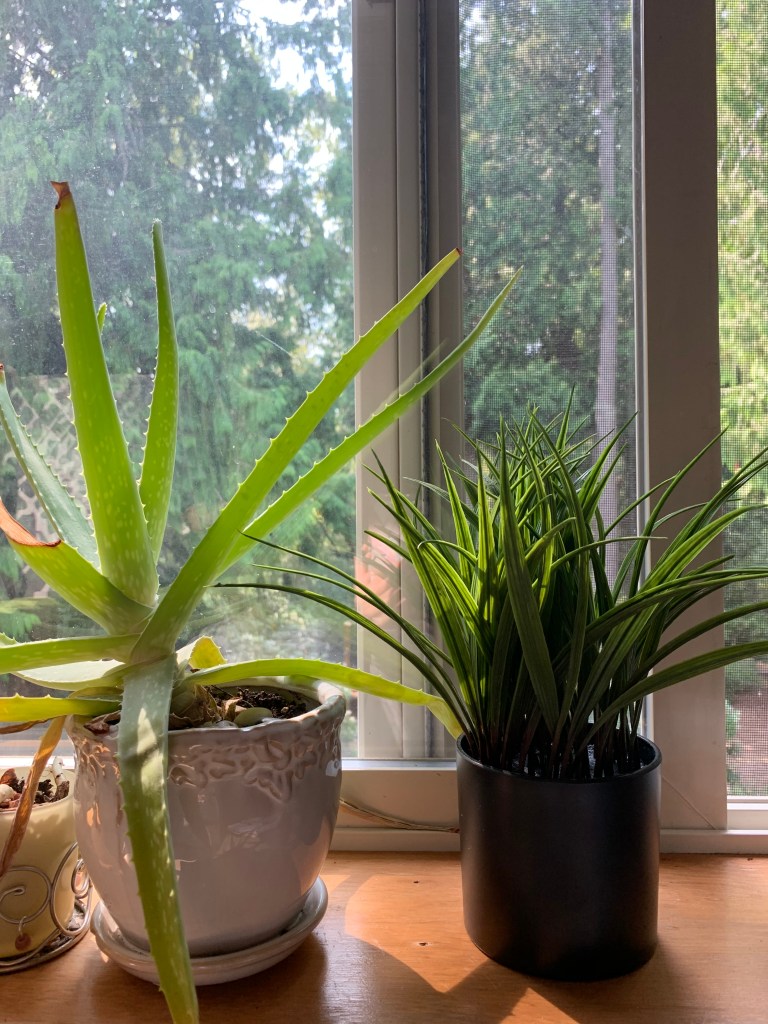
Insights are often the “why.” Now, one can infer that the plant to the right of the aloe plant is fake, because it does not have something to catch the water underneath, if I were to water all of the plants on the windowsill. We do not know if this reason is because the plant is fake or not, but we are observing that it lacks that part of the container, so based on prior knowledge, we can guess. Insights go deeper than the surface observation to understand “why” things or people are the way that they are.
(The inference/insight would be correct…the aloe plant is real but the one next to it is not.)

Published 2002-07-08 (Image 1217) from cartoonistgroup.com
Insights are often gained by taking real-world applications to learning, and using prior knowledge to infer the truth behind the general observation or fact. They are gained by looking deeper than surface level and gaining real understanding of the given situation by testing what we already know based on prior knowledge and life experiences. When trying to gain insight on certain things, it can be important to bring in a diverse array of people to help, since we all know different things based on situations we have encountered throughout our lives.
 Elena Bahr